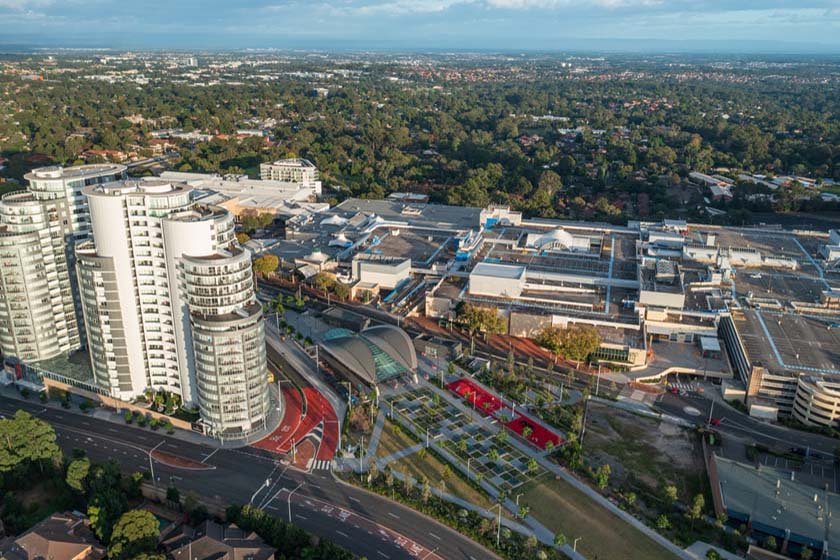
The Hills District has a rich and layered history.
For tens of thousands of years, the Dharug people lived here, walking the ridgeways and caring for the land. With European settlement came farms, rebellion, and the foundations of modern life. From convict roads and orchards to suburbs and shopping centres, the landscape has changed, but its story remains deeply rooted in the past.
The Hills District lies on the traditional lands of the Dharug people, whose country stretched across the Cumberland Plain and included the creeks, valleys, and bushland of the area. Dharug clans such as the Burramattagal, Bidjigal, Cannemegal, and Tugagal lived here for thousands of years, moving within their territories according to the seasons. They relied on the waterways and forests for food, shelter, and cultural life, and cared for the land using techniques like controlled burning to promote new growth and sustain wildlife.
The Dharug were among the first Aboriginal people to encounter European settlers, and their communities were deeply affected by the arrival of disease, displacement, and loss of land in the early 1800s. Despite these impacts, Dharug descendants remain strongly connected to the Hills today. Places such as Bidjigal Reserve honour this heritage, while cultural programs and education initiatives continue to keep Dharug traditions, language, and knowledge alive for future generations.
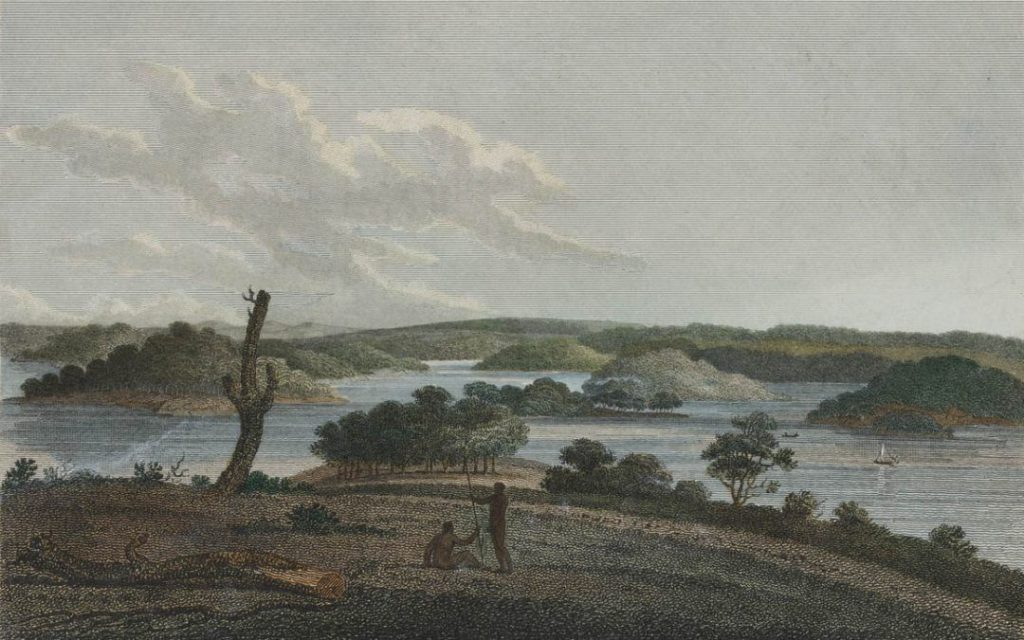
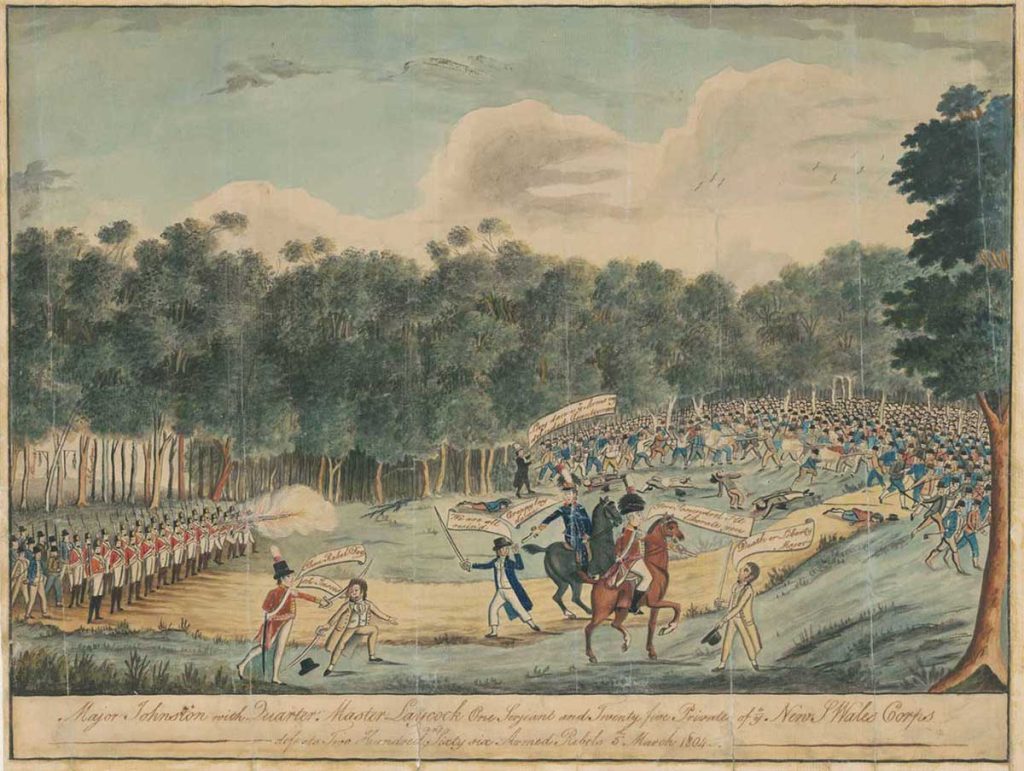
The Hills played a central role in the convict era of New South Wales. In 1801, the government established the Castle Hill Government Farm on more than 13,000 hectares, worked by convicts to grow wheat and maize for the struggling colony. Conditions were harsh, and in 1804 the farm became the site of Australia’s first major convict uprising – the Castle Hill Rebellion, also known as the Battle of Vinegar Hill. Led by mainly Irish convicts, the revolt was quickly suppressed, but it remains a significant event in both local and national history.
Today, the original farm site is preserved as Castle Hill Heritage Park, a place where history is remembered within a peaceful green space at the heart of Castle Hill. Visitors can walk the grounds, follow interpretive signage that tells the story of the rebellion, and reflect on the lives of the convicts who shaped the early district. The park not only commemorates Australia’s convict past but also remains a community gathering place, continuing the site’s long history as a centre of local life.
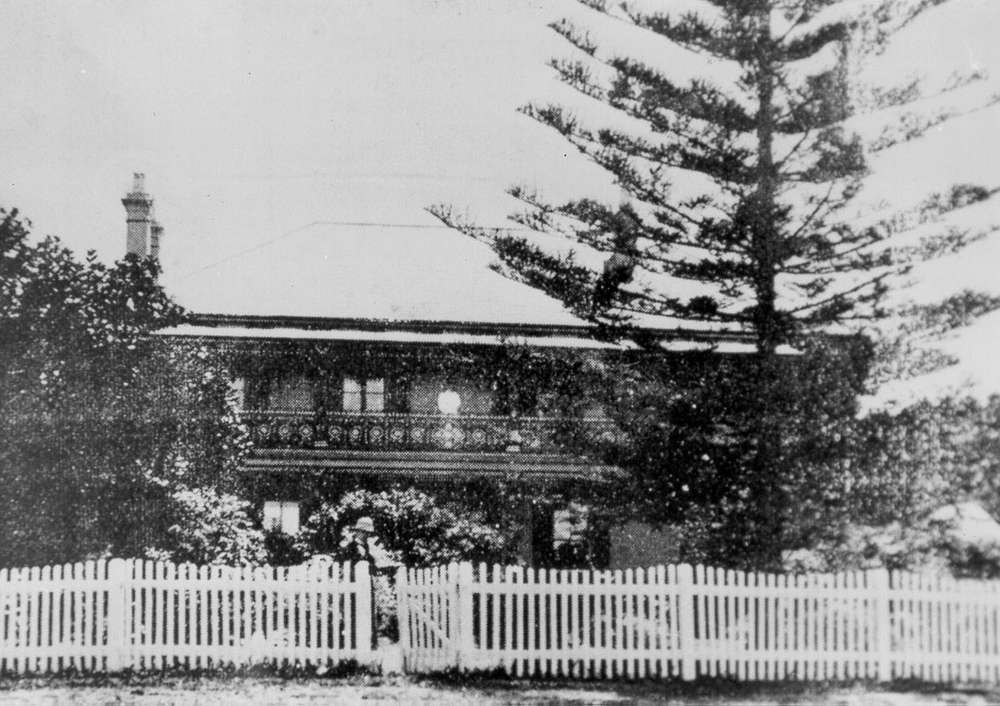
Early European settlement in the Hills began in the 1790s with land grants to free settlers. Families such as William Joyce, Matthew Pearce, and Andrew McDougall established farms that would give their names to areas still recognised today – Pearce’s “King’s Langley” inspired Kings Langley, while the view of seven ridges from his homestead gave rise to the name Seven Hills. Orchards, dairying, and market gardens soon became the district’s hallmark, with settlers like George Suttor supplying fruit trees that shaped the Hills’ reputation as a farming region. Many of today’s suburbs and streets still carry the names of these pioneering families, linking modern life to the earliest days of settlement. Another key property was Bella Vista Farm, where John and Elizabeth Macarthur began developing merino sheep, leaving an enduring mark on Australia’s wool industry.
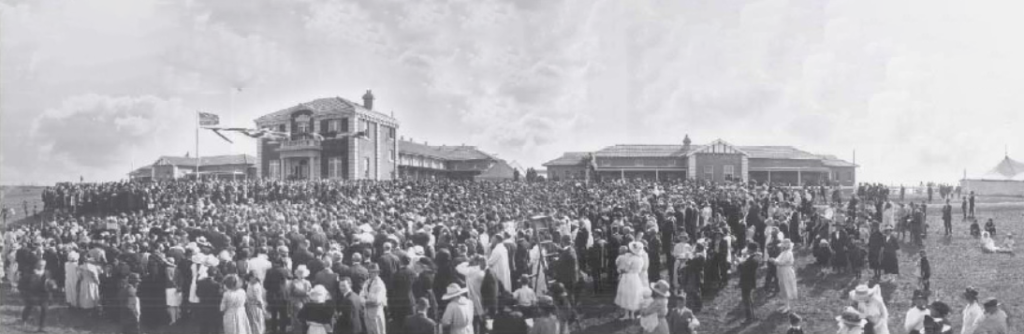
Another significant legacy of this period is the Balcombe Heights Estate, which later became the William Thompson Masonic School for children impacted by war and hardship. Opened in 1918, the school educated and housed thousands until its closure in the 1970s. Today, Balcombe Heights remains a community hub, home to the Hills District Historical Society Museum and a place where residents can connect with the area’s layered history.
During both World Wars, the Hills District made significant contributions to the national war effort. Hundreds of local men and women enlisted, leaving farms, businesses, and families behind to serve overseas. Their commitment is remembered in the many memorials across the district, including those at Castle Hill, Kellyville, and Baulkham Hills, which honour the fallen and those who returned. The impact of the wars was also felt at home, with community fundraising, women taking on new roles, and local industries adapting to support the needs of the time.
The William Thompson Masonic School at Balcombe Heights played a unique role during wartime. Opened in 1918, it was repurposed as a military hospital during World War II, caring for wounded soldiers before returning to its role as a school.
Among the Hills residents who served, several became notable figures, such as Major-General Sir Granville Ryrie, born at Michelago but later a prominent grazier in the Hills, who commanded the Australian Light Horse in World War I. Their stories, alongside the memorials and heritage sites, ensure that the Hills’ wartime legacy remains an important part of the district’s history.
From the 1960s onwards, the Hills transformed from orchards and farms to a thriving suburban and commercial hub. The removal of Sydney’s Green Belt (1964) spurred residential and industrial development, shopping centres like Castle Towers (1979) emerged, and major infrastructure such as the M2 Freeway (1997) and Sydney Metro Norwest Line (2019) connected the area with the wider city.
Today, the Hills offers a wealth of heritage experiences:
- Explore Bella Vista Farm, home to the Macarthur legacy.
- Visit the Hills District Historical Society Museum at Balcombe Heights Estate, which preserves thousands of photographs, documents, and artefacts.
- Take part in heritage tours run by the Historical Society, or browse their publications on local history.
- Discover sites like the Castle Hill Showground, and remnants of the Convict Trail that once linked Sydney with the Hawkesbury.